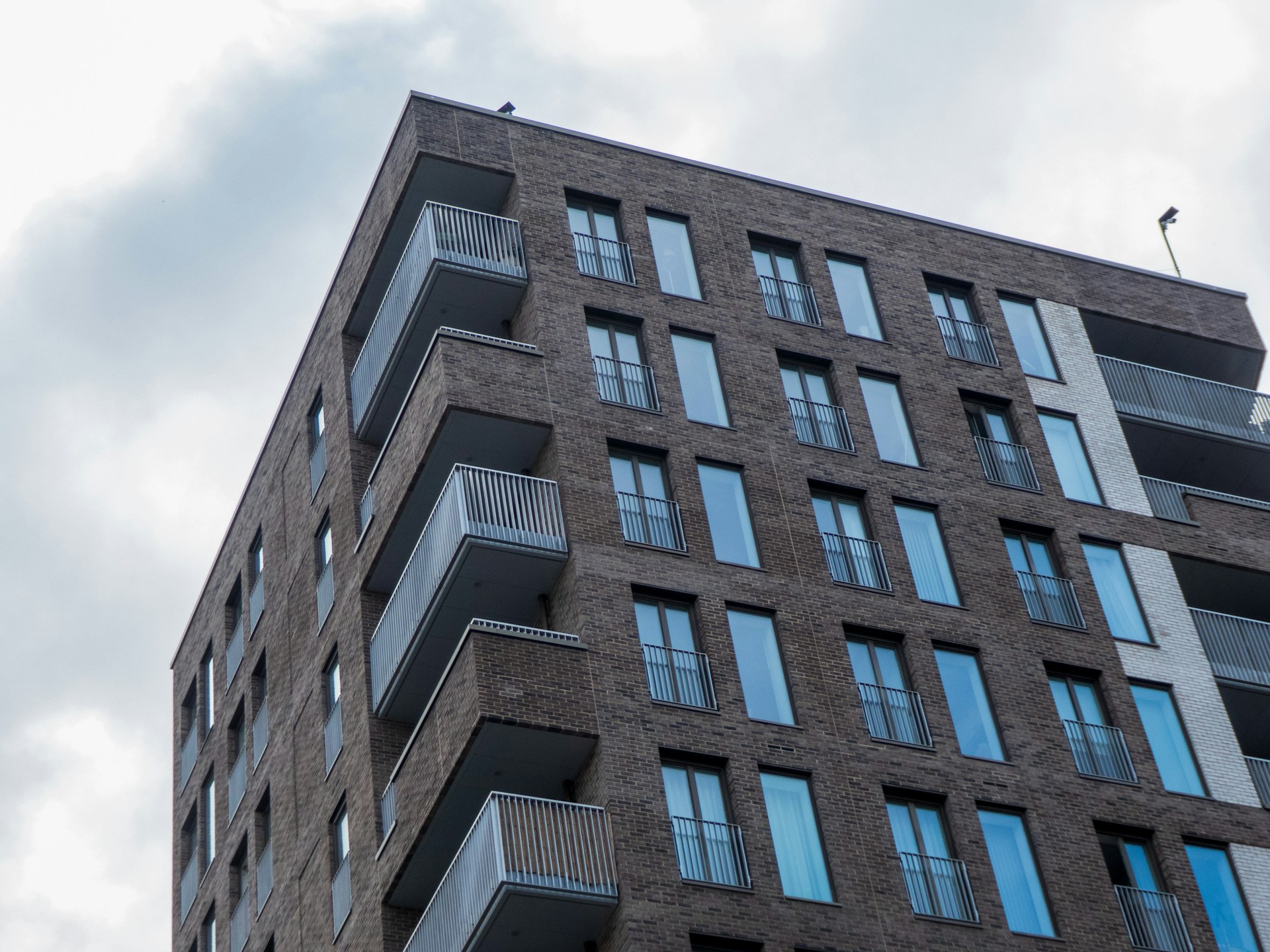
Renting high rise condos for rent in Las Vegas has plenty of appeal. You’re close to the city’s best entertainment, the views can be incredible, and you don’t have to worry about yard work or noisy street traffic. But high-rise living isn’t always smooth, especially during the hotter months or when you’re right near all the action.
Like any rental, there are day-to-day challenges that aren’t always obvious during a quick showing or a brochure review. From temperature shifts to elevator delays, some parts of condo living take a little adjusting. If you’re thinking of leasing a unit, it helps to know what to expect before the lease is signed. Here are the issues we see come up the most often and how to think through them ahead of time.
Noise and Neighbor Proximity
One of the biggest changes when moving into a high rise is how sound travels. Large buildings with stacked floors and thin walls make it easier to hear what your neighbors are up to, even if they aren’t being loud on purpose.
- Bigger buildings often have more hallway traffic, deliveries, or foot noise at different times of the day
- Renovations inside nearby units can stretch for hours with little warning, especially in older towers
- Shared walls and ceilings mean you might hear music, movies, or conversations more often than you’d like
- Units near busy streets or nightlife spots might catch outside noise well past bedtime
This kind of sound doesn’t bother everyone, but if quiet is a priority for you, it’s something to pay close attention to when touring.
Cooling Costs and Temperature Control
Desert summers in Las Vegas aren’t subtle. When the temperature rises, upper floors in high rise condos warm up quickly. If the windows face full sun or the AC isn’t strong, keeping cool can become a challenge.
- Older buildings may not have modern HVAC systems, and that affects how often your unit reaches the right temperature
- Windows that haven’t been upgraded might not block heat efficiently, which puts stress on your air conditioning
- It’s smart to check thermostat placement and how air circulates in real-time during a showing
Even the nicest unit can feel hard to live in if it’s too warm during the summer months. We always advise renters to ask about recent upgrades or repairs to the cooling system before deciding.
Some renters notice that certain areas of a unit stay much warmer than others. High ceilings may look beautiful but can trap hot air above and make the lower living area less comfortable. The placement and size of the windows also have a significant effect on how much afternoon sun enters the living space, warming everything quickly if there aren’t proper shades or newer energy-efficient windows. The intensity of the Las Vegas sun means every bit of shade and cooling counts.
Elevator Reliability and Wait Times
High-rise buildings rely heavily on elevators, and during busy times, that can become a daily source of delay. Whether you’re heading to work or just stepping out for coffee, elevator wait time can add up.
- Move-ins, tourists, and deliveries can slow elevator traffic, especially in taller buildings
- Summertime tends to increase building activity, which means longer waits are more common
- When an elevator breaks down, getting to upper floors takes longer and might temporarily affect your schedule
If you’re planning to move into the building’s higher levels, give some extra thought to elevator usage and review how many elevators the building actually has before making a decision. It’s one of those small details that ends up mattering more than expected.
If you live on a high floor, elevator waits in the morning can make you late for work or appointments, especially if several residents are moving in or out. Large buildings sometimes have only a few elevators serving many units, which means delays pile up quickly. When touring, pay attention to posted notices about elevator maintenance and talk to current residents about their experience during peak times.
Limited Storage and Parking Challenges
High rise living isn’t always generous with storage. Compared to single-family homes, closets and cabinetry tend to be smaller, and supplemental storage isn’t always included.
- Closets are often tight, especially in studio or one-bedroom units
- Bicycle storage, seasonal item areas, and storage lockers vary widely by building
- Visitor parking is often limited, and street parking near high-demand buildings can be tough to find
Even assigned parking spots aren’t always close to the unit itself, which means renters might have to walk a bit during hot summer days with groceries or bags. That’s something to think about, especially if location convenience is high on your list.
Some high rises have underground garages, which offer protection from the sun but can be dark and make loading or unloading take longer. Others use open lots that can heat up cars quickly, which is important to remember if you rely on your vehicle daily or store sensitive items in your trunk. When considering a building, ask to see available parking and storage before making a final choice.
Maintenance Access and Repair Timing
When something breaks in a traditional rental, you might call a landlord or property manager directly. In a high-rise building, that repair often goes through the building’s maintenance office, and timing can vary based on staff availability.
- Requests might go through an online portal or front desk, which sometimes adds delays
- Service hours aren’t always 24/7, meaning minor issues can turn into bigger ones if left for too long
- In high temperatures, delays in fixing HVAC units or plumbing can make a space hard to live in
We recommend asking upfront how maintenance requests work and whether emergency services are available. Getting repairs handled fast makes life a lot easier, especially during summer or holiday weekends.
Some issues like water leaks or broken air conditioning often happen outside business hours, and if there isn’t a staff member on call, small fixes can become much larger problems. Learning the process, whether requests are handled by building staff or through a third party, can save frustration. Ask how long average repairs take in your building and if residents are notified about works ahead of time. Quick access to repair and maintenance professionals can keep your home comfortable all summer.
Smart Planning for Smoother High-Rise Renting
High rise condos for rent in Las Vegas offer a lifestyle many people love, views, access, and often a stronger sense of security. But every rental has trade-offs. Knowing the day-to-day realities ahead of time helps renters avoid surprise frustrations and make better, longer-lasting decisions.
If you’re considering condo living in Las Vegas, especially going into the warmer seasons, it’s helpful to ask deeper questions during your search. You can enjoy your home more when you understand what comes with it. Comfort isn’t just about the building itself, but how it functions once you’re settled inside.
Ready to explore your options for renting in a well-located building with top amenities? Start by viewing high rise condos for rent in Las Vegas that align with your priorities for comfort and convenience. At Top Vegas Condos, we guide renters to spaces that meet their daily needs as well as their budgets. Let’s make sure the details that matter most are right from day one. Contact us today to get moving.